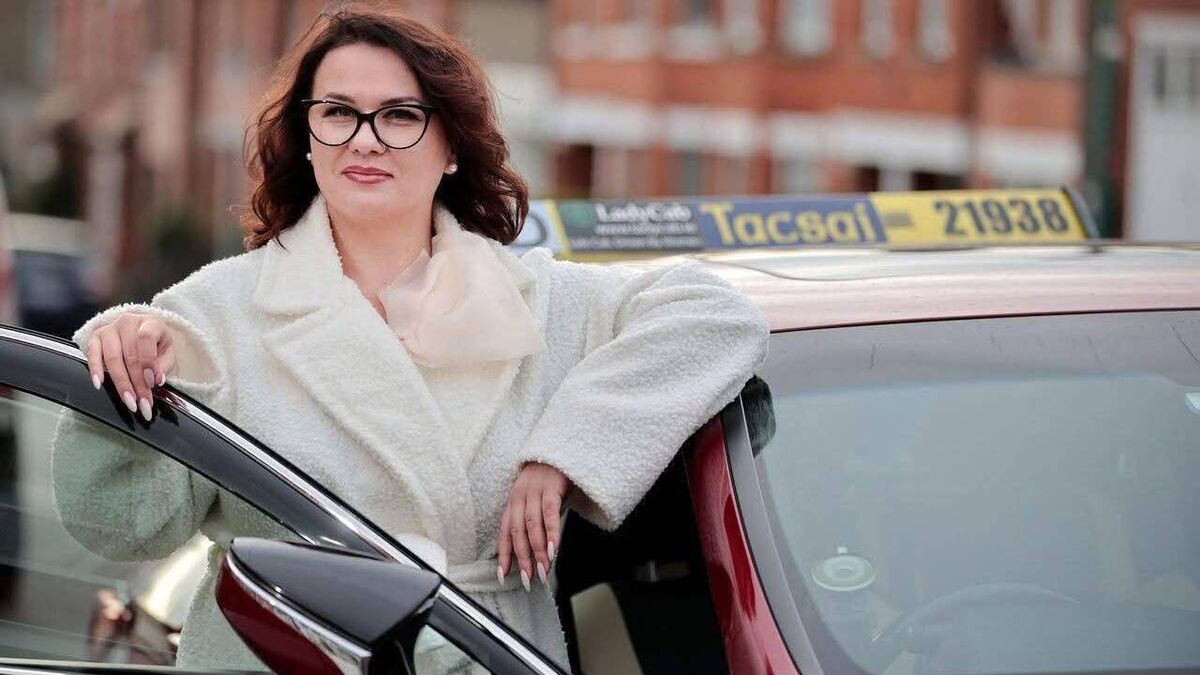
Image belongs to Echo Live. Question: Does a service such as this contravene Employment Equality and Equal Status Acts in Ireland ? Answer: That is a really sharp legal question, and it is exactly the kind of thing that regularly sparks debate when businesses launch gender-focused services. Under Irish law—specifically the Equal Status Acts (2000–2018) and the Employment Equality Acts (1998–2015)—discrimination on the gender ground is generally illegal. However, the law leaves room for very specific exceptions, and the article itself drops a few massive clues as to how LadyCab legally structures its business to avoid breaching these acts. A look at how LadyCab navigates both sides of the legal framework reveals the following: 1. The Equal Status Acts (Providing the Service to Customers) The Equal Status Acts state that you cannot refuse service to someone based on their gender. If LadyCab completely refused to pick up male passengers, that would likely be a direct breach of the law. However, if you look closely at what the founder, Emanuela Negura, says in the article, they have structured the service around passenger choice rather than outright exclusion: The "Filter" Approach: The platform allows passengers to request a female driver where available. Crucially, it does not explicitly state that men are banned from using the app to book a ride. Male Drivers are Included: The founder explicitly mentions, "our male drivers are doing exquisite work. People understand and acknowledge the fact that, irrespective of the gender of the driver you will get from LadyCab, the standards apply in all cases." Because they employ or contract male drivers and still serve passengers regardless of gender, they are technically providing a safety-and-comfort-focused platform rather than an exclusionary one. 2. The Employment Equality Acts (Hiring Drivers) When it comes to recruitment, Irish law states you cannot discriminate against job applicants based on gender. You cannot advertise a job saying "Women Only" unless a very strict legal exemption applies, known as a Genuine Occupational Qualification (GOQ). A GOQ applies if the job requires a specific gender for reasons of privacy, decency, or personal safety (for example, a worker in a women’s domestic abuse refuge). Whether a taxi service qualifies for a GOQ on safety grounds is legally murky and has rarely been tested to a definitive conclusion in Irish courts. To bypass this entirely, LadyCab appears to use two strategies: Open Recruitment: The article states that their upcoming Cork recruitment event is "open to anyone interested in exploring opportunities within the taxi industry." They are actively encouraging women to join an industry where they are heavily underrepresented, but they aren't legally locking men out of applying. The Independent Contractor Model: Like Uber or FreeNow, ride-hailing apps usually operate via self-employed, licensed taxi drivers rather than traditional "employees." While equality legislation still covers independent contractors to a large extent, a platform that allows any licensed driver to sign up, but uses an algorithm to let passengers prefer certain matches, is much harder to successfully sue for employment discrimination. The Bottom Line LadyCab isn't a "no men allowed" closed ecosystem. By framing the service as a platform that raises safety standards, actively recruits underrepresented female drivers, but still utilizes male drivers and remains open to all, they position themselves safely within the boundaries of Irish equality law. They are offering a marketing focus and a user preference feature, rather than enforced discrimination.

